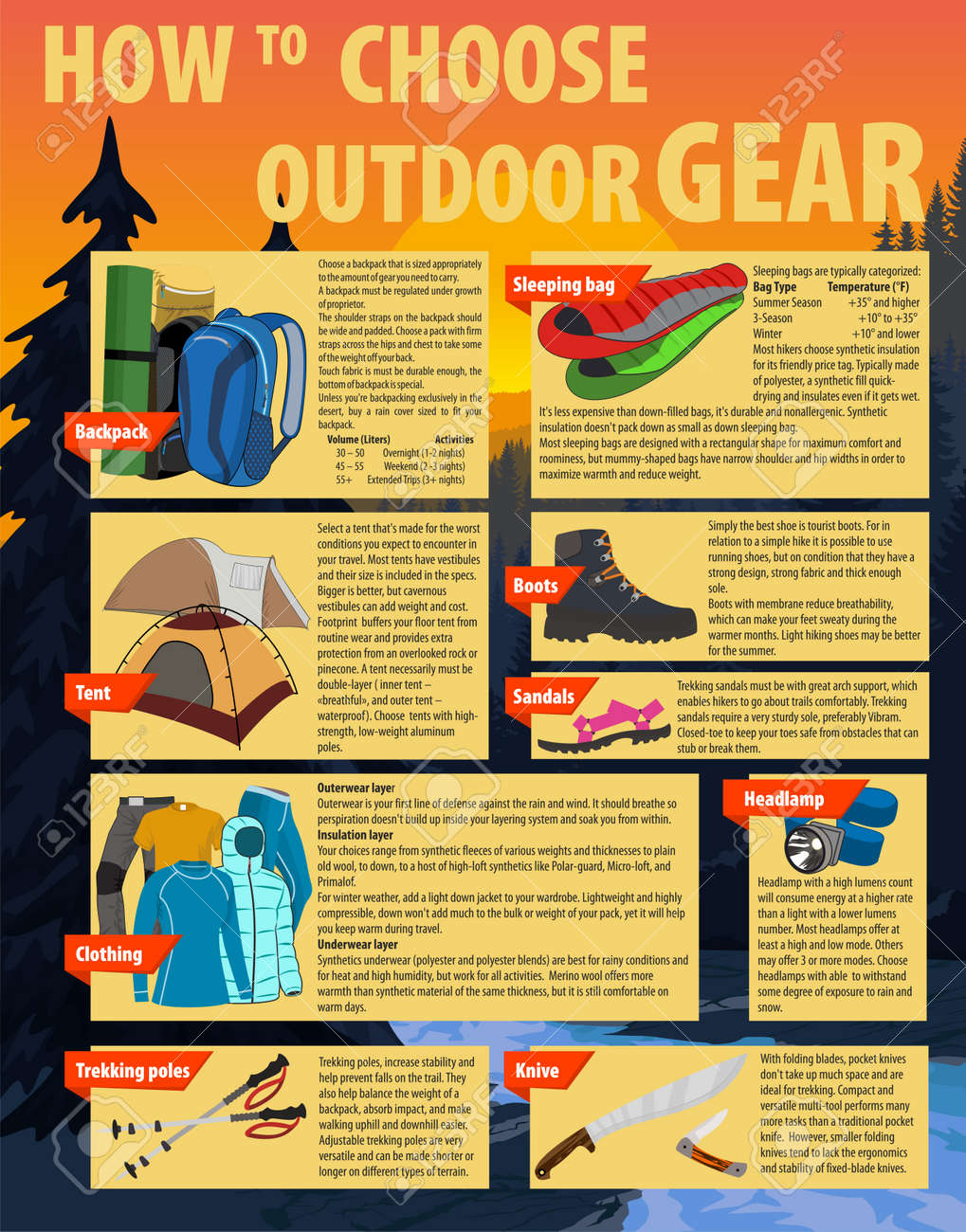
Finest Waterproof Backpack Products: What to Seek Prior To You Acquire
Whether you're treking with a rainforest, commuting on a rainy morning, or kayaking with your gear in tow, a waterproof backpack can make all the distinction. Yet not all "water-proof" knapsacks are produced equal-- and much of that comes down to the product. Recognizing which textiles and finishes in fact hold up against water will aid you make a smarter acquisition and maintain your personal belongings completely dry when it matters most.
Why Material Matters Greater Than You Assume
Lots of knapsacks are marketed as water resistant when they're actually just water-resistant. The distinction lies in the material and building and construction. A water-resistant bag could survive a light drizzle, however a truly water resistant one will certainly keep your laptop computer, garments, and files secure even in a downpour or throughout water sports. The material made use of is the foundation of that security, and recognizing the key choices offers you a real advantage when purchasing.
Top Water Resistant Knapsack Products
1. Nylon with DWR Covering
Nylon is just one of one of the most common materials made use of in backpacks, and permanently factor. It's light-weight, durable, and fairly affordable. When treated with a Resilient Water Repellent (DWR) finish, nylon creates water to bead up and roll off the surface instead of taking in. High-denier nylon (gauged in "D," such as 210D or 420D) offers greater thickness and abrasion resistance. The drawback? DWR layers wear off in time and require to be reapplied, so lasting waterproofing calls for maintenance.
2. Polyester with Waterproof Laminate
Polyester is one more commonly utilized base material, typically combined with a water-proof laminate or TPU (polycarbonate polyurethane) backing. This combination creates a strong barrier against water infiltration. Polyester is normally extra immune to UV destruction than nylon, making it a solid choice for outdoor use. When laminated correctly, it can use exceptional waterproofing without relying upon layers that degrade over time.
3. Tarpaulin (Tarp)
Tarpaulin fabric-- typically called tarp-- is a heavy-duty PVC-coated material that provides exceptional waterproofing. It's stiff, thick, and basically unsusceptible water, making it preferred for completely dry bags and sturdy journey packs. The compromise is weight and rigidity. Tarpaulin knapsacks can really feel bulkier and less comfortable for prolonged wear, but if keeping your gear bone dry is the top concern, tarpaulin supplies accurately.
4. Cordura Textile
Cordura is a brand name of high-tenacity nylon understood for its outstanding longevity and resistance to abrasions, rips, and scuffs. It's a preferred amongst armed forces and tactical gear manufacturers. When treated with waterproof coatings or combined with water-proof linings, Cordura uses both toughness and defense versus wetness. It has a tendency to be heavier than basic nylon but stands up extremely well in harsh conditions.
5. Dyneema Composite Textile (DCF)
Previously referred to as Cuben Fiber, Dyneema Composite Fabric is the gold criterion in ultralight water resistant materials. It's stronger than steel by weight, virtually lightweight, and inherently waterproof-- no coatings required. Dyneema is utilized in high-end ultralight backpacks preferred by thru-hikers and minimalist adventurers. The catch is price: DCF bags include a premium price tag that places them unreachable for laid-back buyers.
6. PVC (Polyvinyl Chloride)
PVC-coated textiles are exceptional for waterproofing and are typically used in completely dry bags and marine-style backpacks. PVC creates an entirely sealed surface that water can not pass through. Nevertheless, it's heavy, can fracture in chilly temperatures, and is not one of the most environmentally friendly option as a result of its production procedure. For water-based tasks like rafting or sailing, PVC bags are tough to beat.
Joints and Closures: The Other Half of the Formula
The material alone does not ensure a water-proof knapsack. Seams are just one of the most common locations water finds its method. Search for bags with bonded or taped seams, which seal the stitch lines totally. Roll-top closures-- where the top of the bag folds over and camp chairs buckles-- supply a a lot more water tight seal than standard zipper openings. Waterproof zippers include another layer of defense but can include in the expense.
Just how to Select the Right Product for Your Requirements
The most effective material relies on exactly how and where you'll utilize your backpack. For day-to-day commuting in damp climates, DWR-coated nylon or polyester with a laminate uses a practical equilibrium of weight, comfort, and security. For significant outside adventures-- treking, kayaking, or camping in heavy rainfall-- tarp or PVC products provide one of the most reliable waterproofing. If weight is your concern, Dyneema deserves the investment. For pure longevity in demanding settings, Cordura stands out.
Last Ideas
Choosing a water resistant backpack starts with recognizing the material it's made from. Each material has its toughness and trade-offs, and the ideal selection comes down to your certain tasks, budget, and how much weight you agree to carry. Take note of both the product and the construction details like joints and closures-- because a bag is only as water-proof as its weakest factor. Invest sensibly, and your equipment will stay completely dry via whatever problems you face.